The focus of this committee is to learn from one another and to share ideas, resources and updates on
1. the treatment of pain with non-pharmacological, non-opioid pharmacologic, and possibly opioid pharmacologic approaches.
2. approaches to preventing and treating opioid overdose.
3. prevention, treatment and recovery of opioid use disorder and other use disorders.
Meeting Minutes, Slide Decks, and Meeting Recordings
11-18-2025 / Guest Speaker: John Torsch
COMPASSIONATE OVERDOSE RESPONSE & RECOVERY SERVICES BEST PRACTICES
Mr. Torsch, who is a person who uses drugs, and a person in long term recovery from addiction, is the co-founder & Program Director of the Daniel Carl Torsch Foundation which serves those experiencing addiction, homelessness and others. He is an expert in Compassionate OD Response who has trained over 1,000 people, gave a compelling presentation from the front lines, with some big picture observations and an interesting critique of some aspects of current treatment and recovery practices.
Resources:
7-15-2025 / Guest Speaker: Ana Lazarides, Director of the Maryland PDMP
MARYLAND OPIOID ACADEMIC DETAILING (AD) & THE PDMP PROGRAM
Dr. Adams presented on Academic Detailing published literature and resources.
Resources:
5-20-2025 / Guest Speakers: Drew Fuller, M.D., and Shannon Tieman, PMHNP
IS IT TIME TO WEAN? ENGAGING THE BENZODIAZEPINE EPIDEMIC
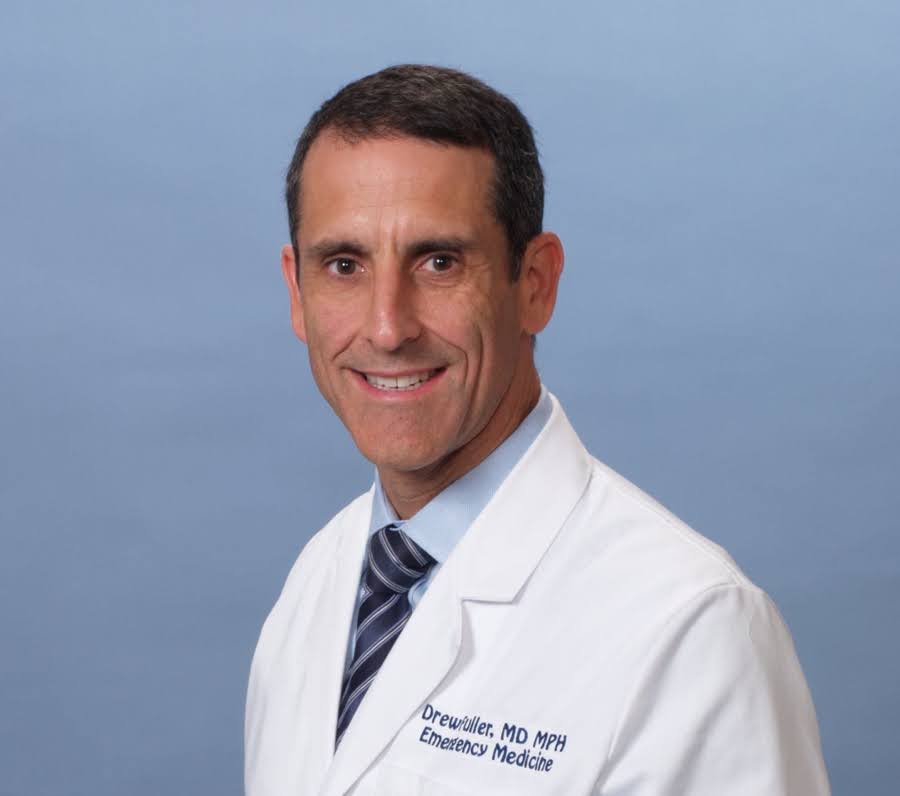
Dr. Adams gave a brief presentation on Brief Counseling for Anxiety by Non-Mental Health Providers, because patients tapering off of benzos have to learn alternatives to 'pharmacological coping.'
Resources:
3-18-2025 / Guest Speaker: Don Teater, M.D.
BASICS OF EFFECTIVE PAIN MANAGEMENT
After the meeting, MedChi videotaped the presentation and made it available for free CME. See that online CME course, and the accompanying slide deck, HERE. Dr. Adams, Committee Chair, described this as the only appropriate online course on prescribing opioids for pain he has seen, with a perspective very different from that of the Opioid REMS courses funded by opioid manufacturers.
Resources:
1-14-2025 / Guest Speaker: Ann Ciekot of Public Policy Partners
"DRUG-INDUCED HOMICIDE" BILL INTRODUCED IN THE MD. GEN ASSEMBLY TO INCREASE PENALTIES FOR SHARING, DISTRIBUTING DRUGS, OPPOSED BY THE BEHAVIORAL HEALTH COMMUNITY
Also discussed critique of the opioid REMS program trainings on prescription opioids for pain.
Resources:
9-17-2024 / Guest Speakers: Alonzo Whyte, PhD, and Malik Burnett, M.D., MBA, MPH
DEBATE ON THE ROLE OF THE OPIOID-ANALGESIC NALMEFENE - UNINTENDED CONSEQUENCES?

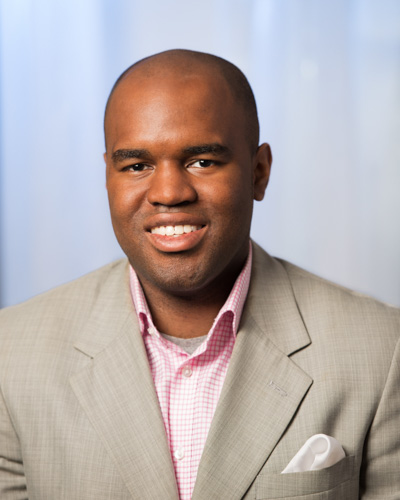
With Alonzo Whyte, PhD of Indivior Inc., and Malik Burnett, M.D., MBA, MPH, former Medical Director, Center for Harm Reduction Services, MDH.
Resources:
5-21-2024
POSSIBLE RESOLUTIONS FOR MEDCHI HOUSE OF DELEGATES (HOD)
Resources:
Note, subsequently the first of these was adopted by the HOD: click here.
3-19-2024 / Guest Speakers Sarah Merritt, M.D., and Drew Fuller, M.D.

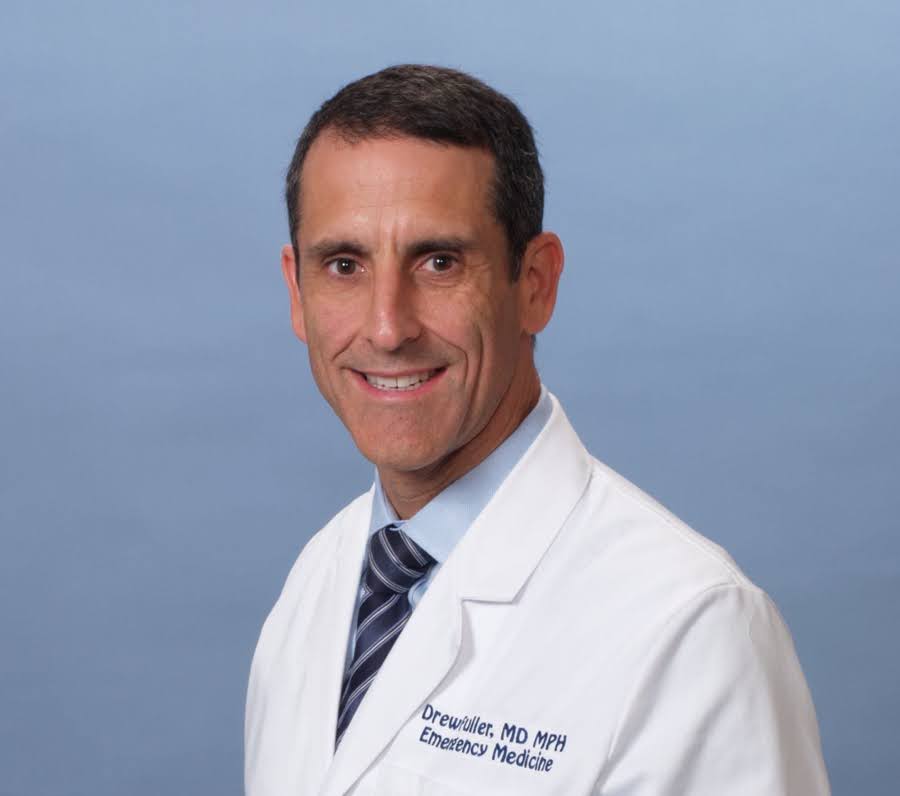
PRESENTATION BY SARAH MERRITT, M.D., ON BUPRENORPHINE FOR PAIN and PRESENTATION BY DREW FULLER, M.D., ON BUP AFTER OD IN MARYLAND EDs.
Gave a summary of recently enacted state legislation to promote this and MOUD Access in Recovery Residences in Maryland.
Resources:
1/16/2024
POSSIBLE STATE LEARNING COLLABORATIVE ON BUP AFTER OD, or for OUD.
Discussed removing insurance barriers for bup for pain and addiction and possible OTP Reporting of dispensed MOUD to the PDMP.
Resources:
10-17-2023
INPATIENT OPIOID STEWARDSHIPS and IMPROVING OUD TREATMENT & REFERRAL IN EDs
Role of MDH in limiting MOUD Access in Recovery Residences
Problems with "Opioid REMS" trainings; Dr. Adams recommends an alternative: possibly the most appropriate online training on prescription opioids.
Resources:
7/19/2023
NEW FORMAT OF THIS OPA COMMITTEE - POSSIBLE TOPICS
Discussed post-op opioid prescribing.
Resources:
Basics of Effective Pain Management - Free
 |
This 1-hour online module will discuss our current understanding of pain, opioids, and addiction. With a better
understanding of these three issues, providers will be better equipped to treat acute and chronic pain in ways
that are both effective and safe. Attendees will learn that safety does not need to be sacrificed to achieve
effectiveness and, effectiveness does not need to be sacrificed to achieve safety.
For a slide deck of this presentation, please click here. |